


Blog
The poison of trauma
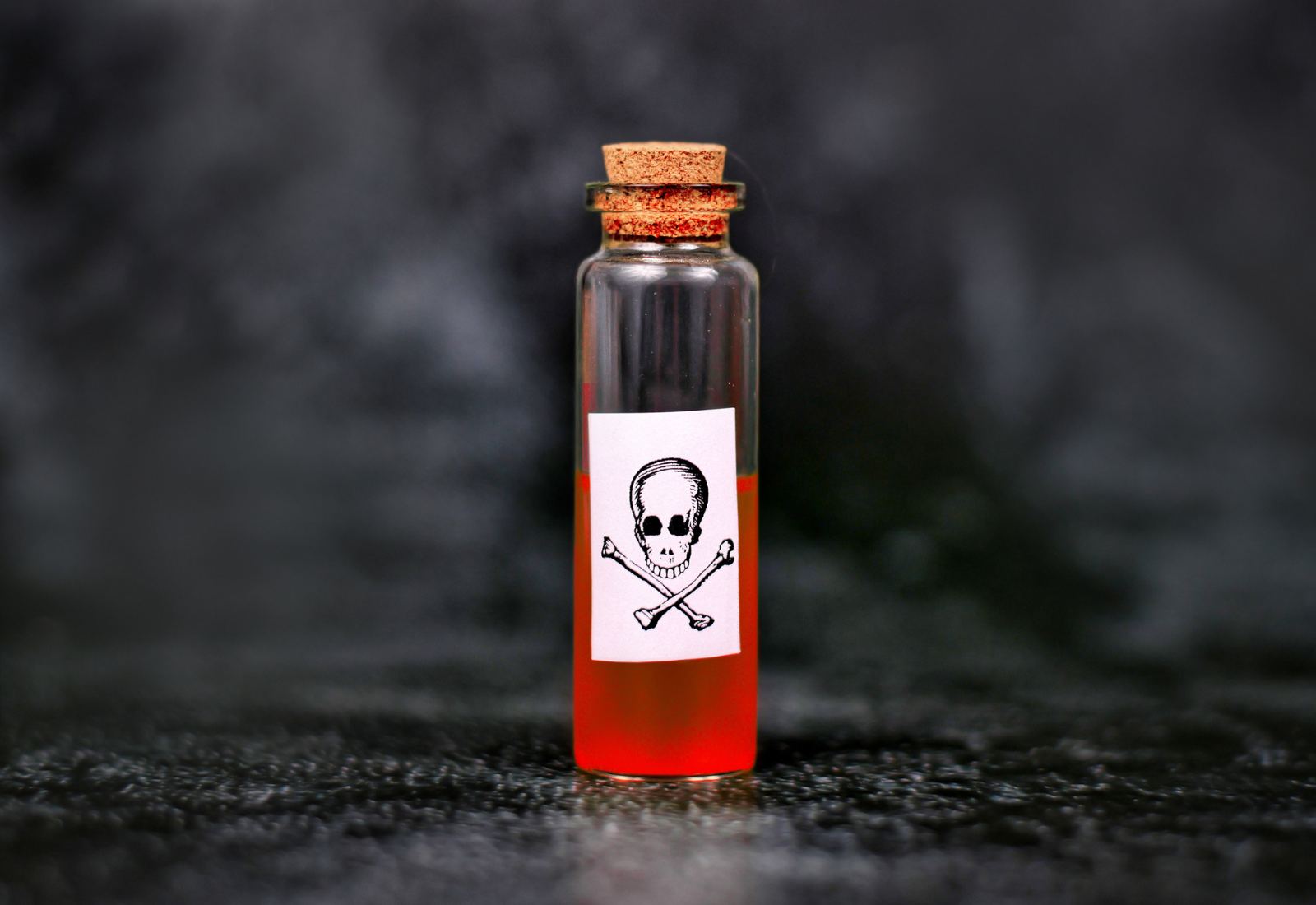
The poison of trauma

Topic 4
Why does someone who lived through pain sometimes function “normally” for years — and then suddenly break down, destroy relationships, or sink into depression with no visible trigger? The truth is, trauma itself is just a wound. What happens inside that wound, if it’s never properly cleaned, is an entirely different — and far more dangerous — story.
What This Topic Is Meant to Give You
This topic offers a distinction that’s critically important for anyone working with people in crisis: the difference between trauma as an event, and poison as what that event sets in motion inside the psyche when left unattended. You’ll receive a concrete map of seven mechanisms through which unprocessed pain gradually changes a person from the inside — often without them even noticing it happening.
Why This Matters Right Now
Millions of people today carry unprocessed, unnamed pain — from war, loss, betrayal, chronic stress. On the outside, they may look perfectly fine: working, smiling, making plans. But if that pain was never recognized and cleared in time, it keeps acting from within — distorting trust, relationships, self-perception — and sooner or later it surfaces as an emotional breakdown, chronic exhaustion, or destructive behavior toward themselves and others.
What This Actually Is
The poison of trauma is what begins acting inside the wound if it’s never named or processed. It strikes at three basic human needs: the need for safety, the need for love, and the need to have healthy control over one’s own life. When these three pillars collapse at once, a person moves from simply “being in pain” into a state of chronic inner anxiety.
Psychologists identify several specific mechanisms of this poison. Distortion of reality — when a person is convinced that what they saw or felt “never actually happened,” and they gradually stop trusting their own perception. The theft of childhood — when a burden that was never theirs to carry gets placed on a person too young, forming a deep inner resentment that goes on to run their entire adult life. The freezing of response — when once-experienced helplessness gives birth to a need to control absolutely everything, so as never to feel powerless again. The habit of convenient dishonesty — when the psyche, escaping unbearable pain, learns to live a double life: saying the right words while being internally cut off from its own conscience. Attachment to the source of pain — the paradoxical state in which a person can’t leave a harmful relationship, because it has become the only form of “attention” they’ve ever known. And finally, betrayal of trust by the very system that was supposed to protect the person, but instead began protecting itself — a family, a community, a group that chooses silence over truth.
What You’ll Take Away from This Topic
In this topic, you’ll get a practical diagnostic method: seven concrete marker-questions that will help you recognize exactly which form of poison is at work in a given person — or in yourself — before moving on to the work of healing.