


Blog
The Armor of Resilience
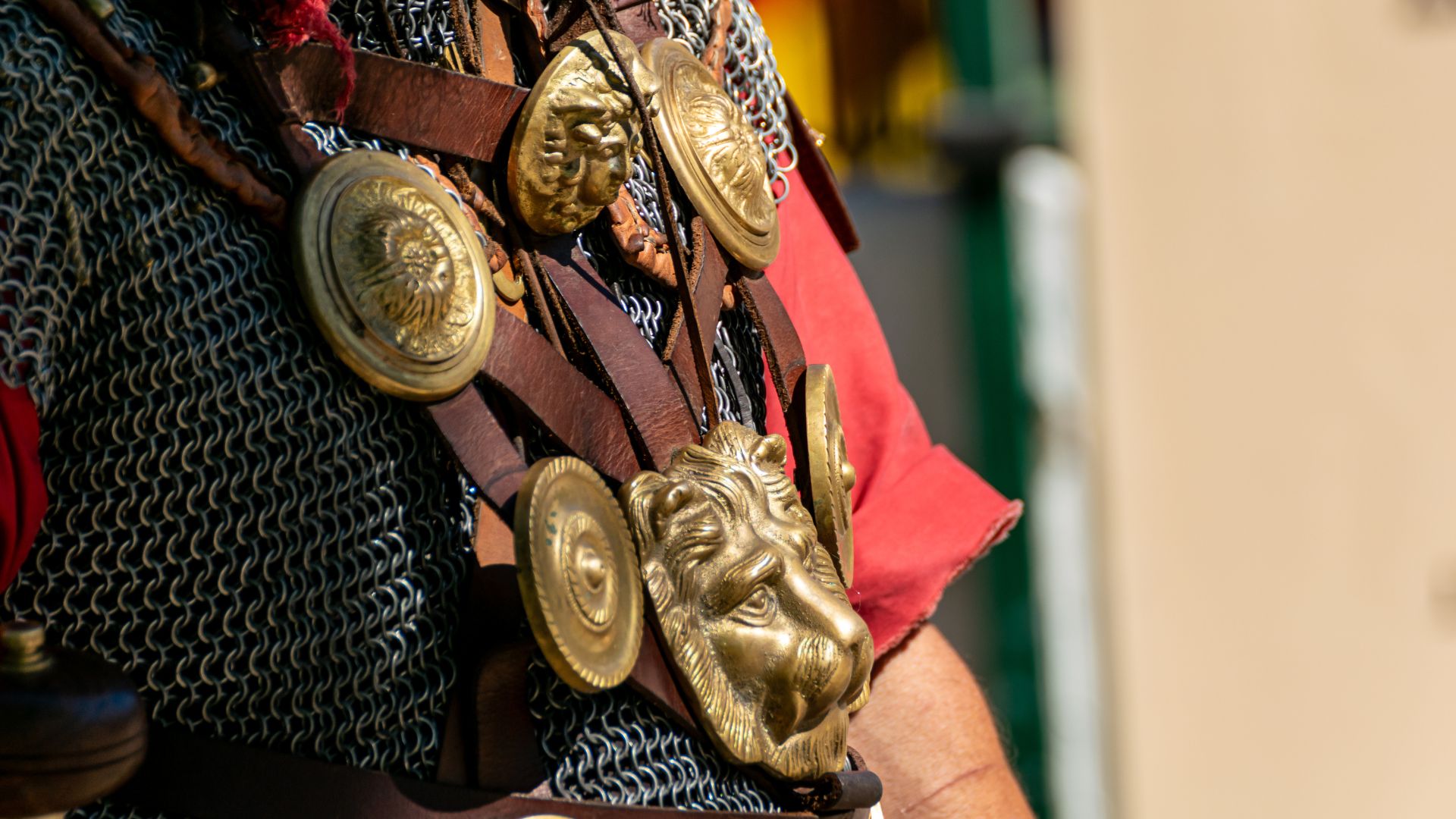
The Armor of Resilience

In this session, you’ll explore the inner architecture of resilient leadership—a practical framework designed to help leaders remain steady through uncertainty, conflict, ethical challenges, and sustained pressure.
We’ll examine how leaders can remain honest with themselves and others, protect their values from compromise, maintain inner peace in the midst of chaos, prevent fear from driving their decisions, discipline their thinking, and use the power of their words to shape the future. Special attention will be given to leadership integrity, emotional resilience, ethical decision-making, and remaining faithful to your mission when circumstances push you toward compromise.
We’ll also address one of the greatest traps of modern leadership—the illusion of total control—and discover how resilient leaders balance responsibility, wisdom, humility, and inner freedom.
This session is designed for executives, entrepreneurs, educators, public servants, military leaders, nonprofit executives, ministry leaders, and anyone leading under constant pressure, high stakes, and complex decision-making. True leadership is not defined by position, authority, or resources.
It is defined by what remains within you when everything around you begins to shake.
For today’s leader, The Armor of Resilience answers one essential question:
How do you remain unshakable without becoming uncompromising?
How do you avoid breaking under pressure, selling your values for success, becoming hardened by pain, losing your focus, or allowing crisis to rewrite your character?
The Belt of Truth
Lead from Reality
For a Roman soldier, the belt held everything together. It secured the armor, supported the weapons, and allowed complete freedom of movement.
Without it, the soldier was unprepared for battle.
For leaders, truth plays the same role.
Truth is the alignment of your words, motives, decisions, and actions.
Integrity begins when there is no gap between what you profess and how you lead.
Deception fragments a leader.
Truth creates wholeness.
Leadership begins the moment you stop performing and start leading from reality.
What does this mean in leadership?
The Belt of Truth is the courage to tell the truth—
to yourself,
to your team,
and to your organization.
Without truth, leaders begin to rename reality.
Fear becomes “wisdom.”
Control becomes “order.”
Manipulation becomes “strategy.”
Silence becomes “peace.”
Burnout becomes “commitment.”
Compromise becomes “diplomacy.”
Resilient leaders have the courage to say:
“This is where we truly are.”
“This is no longer working.”
“This is where we have been deceiving ourselves.”
“This is the truth we can no longer ignore.”
Applying the Belt of Truth
Great leaders do more than speak truth.
They build organizations where truth is safe.
Where honesty is rewarded—not punished.
Where difficult conversations become the foundation of healthy leadership.
Choose honesty over image.
Choose transparency over appearances.
Ask yourself:
Do your daily decisions reflect your stated values—or merely your public messaging?
Management improves efficiency.
Leadership asks whether the direction itself is right.
The Breastplate of Integrity
Protect Your Heart from Compromise
A Roman breastplate protected the warrior’s most vital organ—his heart.
For leaders, integrity protects what success cannot replace.
Every leader eventually faces pressure from:
- Greed
- Pride
- Double standards
- Hidden agendas
- Unethical shortcuts
- The pursuit of power
- The desire for approval
- Fear of losing influence
- Trading values for results
A leader may appear incredibly successful on the outside while quietly becoming compromised within.
Applying the Breastplate of Integrity
Leadership becomes exhausting when purpose is unclear.
Without a compelling why, leaders spend their lives merely surviving, controlling, reacting, and burning out.
But when leaders know their purpose:
- Pain gains meaning.
- Discipline gains direction.
- Resilience gains purpose.
People do not ultimately follow positions.
They follow purpose.
They follow integrity.
They follow leaders whose lives align with their values.